When this service fits
The useful starting point is not a package name. It is a crawl space review that shows where moisture, air, water, insulation, or repair issues are coming from and what order the work should follow.
Scope planning
A good estimate should explain the condition, the material or method, and the reason the recommendation fits the crawl space.
| Scope Area | What It Should Explain |
|---|---|
| Inspection first | Check soil moisture, vents, access, drainage paths, insulation, joists, piers, and utility clearances. |
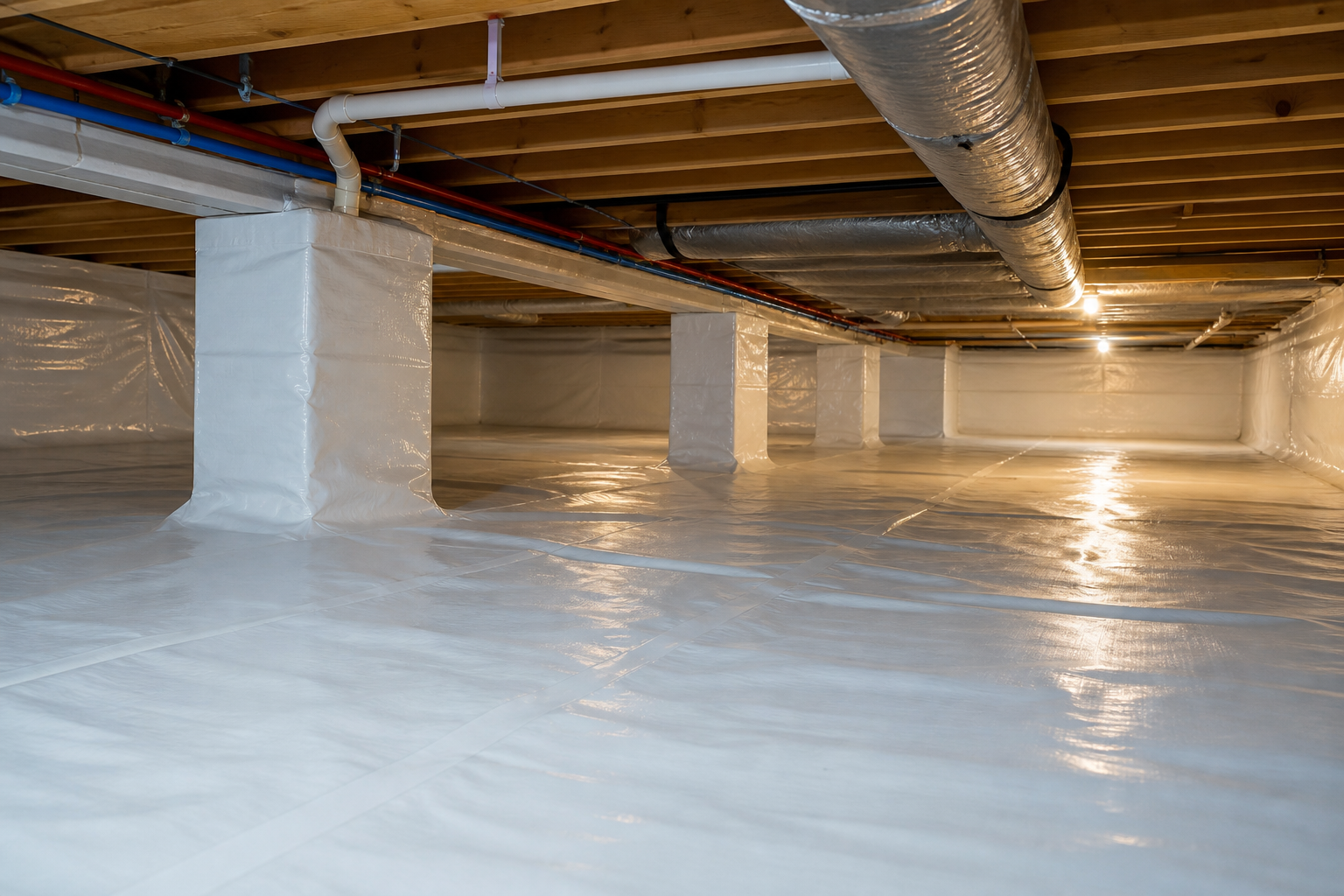
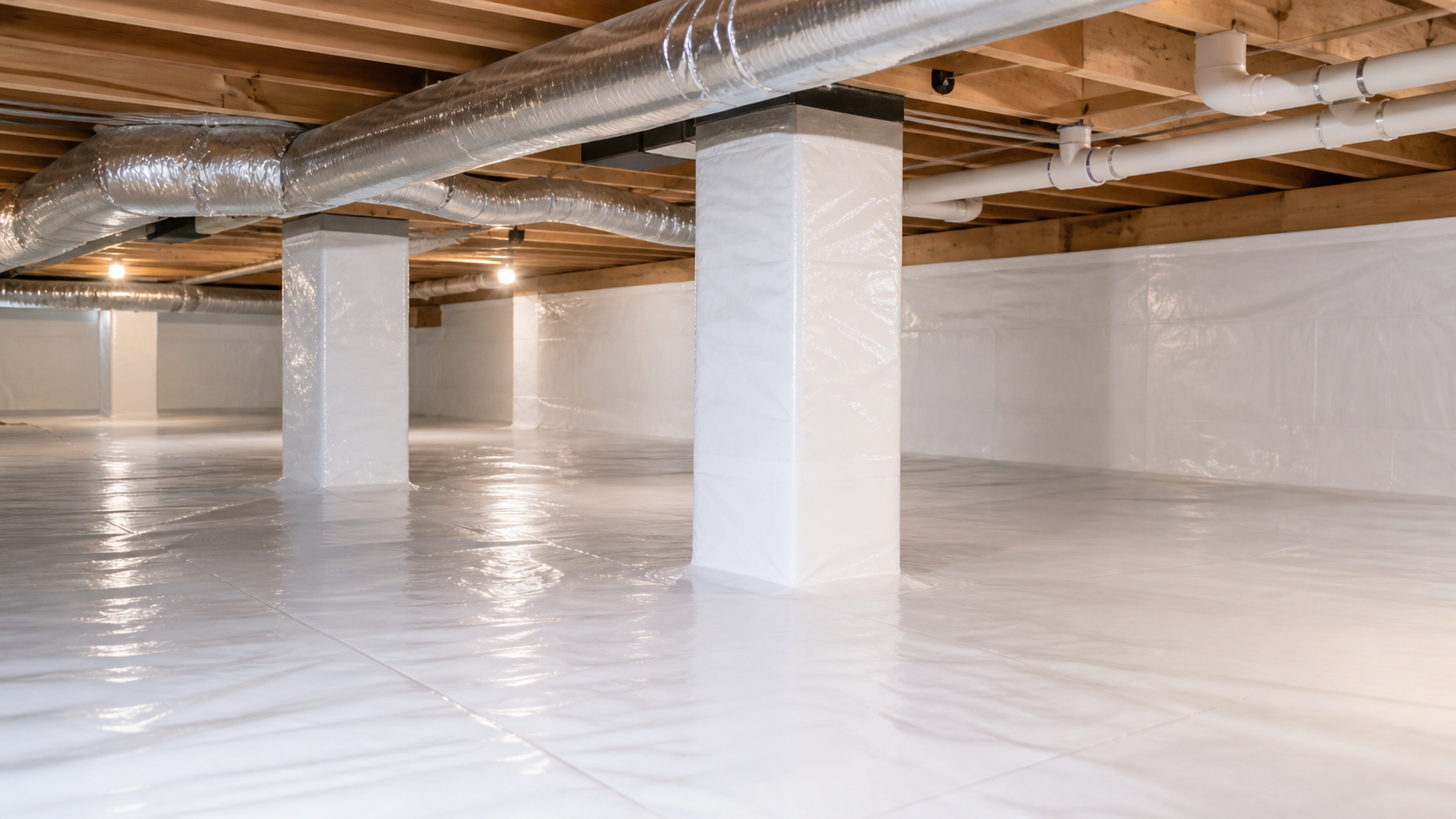
| Ground liner | Install reinforced liner over exposed soil with seams, edges, and penetrations planned for moisture control. |
| Air sealing | Address vents, access doors, rim areas, and common gaps that allow humid outdoor air into the crawl space. |
| Drainage planning | Confirm whether bulk water, downspouts, slope or seepage should be handled before the final liner. |
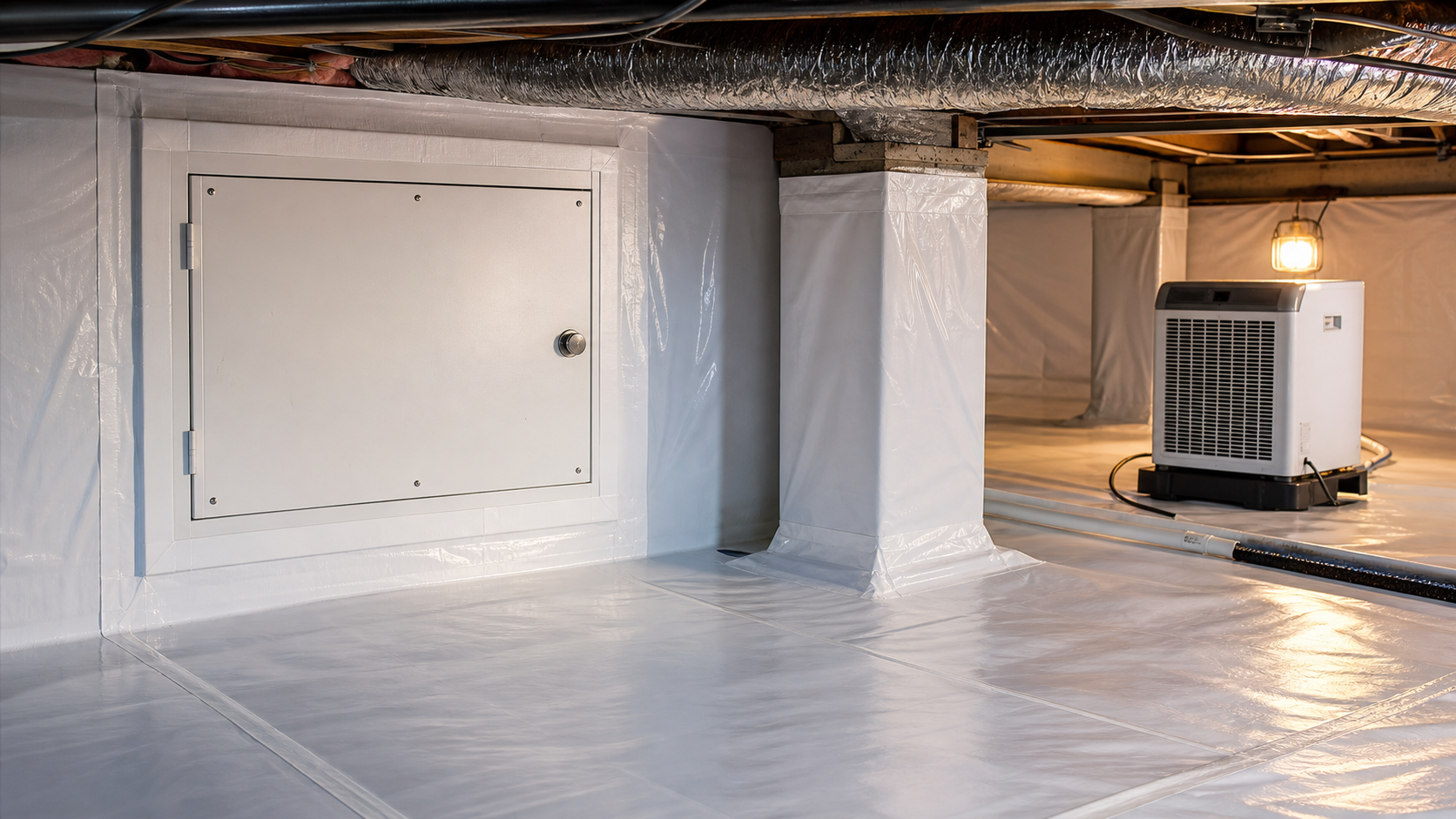
| Humidity control | Plan for dehumidifier-ready conditions, monitoring access, and maintenance needs after the crawl space is sealed. |
Related services
Many Springfield crawl spaces need more than one service category. Drainage, vapor control, air sealing, insulation, repair, and humidity control should be sequenced so one fix does not hide another problem.
Inspection-led decisions
Encapsulation is one moisture-control option for the area beneath a house. Springfield, Missouri homeowners may request an inspection after noticing bare soil, a torn or incomplete vapor barrier, musty odors, condensation, damp insulation, staining on wood, standing water, changing floor comfort, or gaps that may allow pests and insects into the crawl space. Those signs do not all point to the same solution.
| Observed condition | What the inspection should separate | Why the scope can change |
|---|---|---|
| Exposed soil or damaged floor liner | Ground-vapor entry versus liquid water intrusion | A floor vapor barrier performs a different job from drainage or full wall-and-pier detailing. |
| Standing water, seepage, or water marks | Interior entry point, exterior runoff, plumbing leak, and recurring path | Active water should be addressed before a new liner hides the pattern. |
| Musty smell, mildew-like staining, or visible growth | Moisture source, material condition, and whether separate mold evaluation is appropriate | Encapsulation does not replace mold remediation or a health assessment. |
| Wet insulation, wood staining, or suspected wood rot | Moisture condition, accessible repair need, and specialist boundary | Removal or repair may come before the final moisture-control system. |
| Humid air, condensation, or open vents | Air leakage, ground vapor, active water, and equipment need | A dehumidifier can complement a prepared space but does not replace source correction. |
Written scope
A useful proposal should describe the crawl space that was accessible, the conditions observed, and the reason each recommended component belongs in the system. It should distinguish the floor liner from wall, pier, seam, penetration, vent, access-door, and utility-transition details rather than using the word “encapsulation” as a one-size-fits-all package.
This page covers crawl-space encapsulation. It does not present Ozark Crawlspace Co. as a mold-remediation, pest-control, basement-waterproofing, foundation-repair, or sump-pump-installation provider.
After installation
A finished crawl space should remain visible and serviceable. Homeowners can watch for new water intrusion, torn or shifted liner material, persistent odors, changing moisture levels, condensation, reopened vents or access gaps, pest activity, and new changes in insulation or wood condition. The written plan should explain which areas remain accessible and what observations warrant a follow-up inspection.
Encapsulation can limit selected ground-vapor and outside-air pathways when those details are included in the scope. Indoor air quality, comfort, energy efficiency, and utility bills also depend on the rest of the house and its HVAC system, so the proposal should describe the intended moisture-control function without promising a specific health, comfort, or energy result.
Review the Springfield crawl-space service cost guide, compare vapor-barrier installation with full encapsulation, and use the crawl-space inspection page to prepare for a written scope.
Price and service fit
Encapsulation coordinates the liner and air-control details selected after active water, insulation, and accessible repair conditions are evaluated. An inspection may also note visible mold growth or staining, pest-entry gaps, accessible foundation-wall conditions, and whether dehumidifiers belong in the prepared-space plan. Those observations do not turn encapsulation into mold remediation, pest control, or foundation repair.
A typical 2026 planning range is $3,100–$7,000. Size, access, preparation, liner coverage, wall and pier detailing, drainage, dehumidification, insulation, and repairs affect the written scope. Review the Springfield crawl-space pricing guide and schedule an inspection for a written scope.
Get Started
Share what you have noticed in your crawl space, and we will help you understand the next best step for moisture control, repairs, or encapsulation work.